
Stone Garden Benches: Curved or Straight, Small or Large?
14 September 2026 · Geoffs Garden Ornaments · Buying Guides · garden design, garden benches, stone garden ornaments
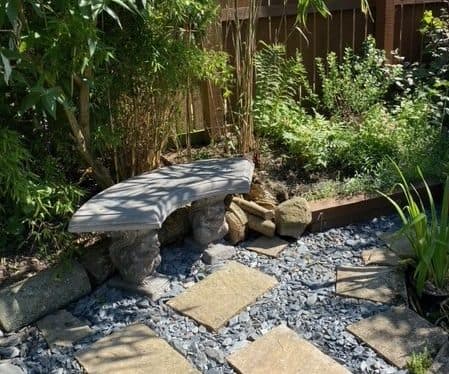
A wooden bench needs oiling, a metal one can rust, and a lightweight one can blow over. A stone bench does none of that. It stays where you put it, year round, and it looks as much like an ornament as a seat.
Choosing one comes down to two questions: curved or straight, and how big.
Curved benches: for circles and conversation
A curved bench follows a circle, so it looks most at home where there's a circle to follow:
- around the edge of a round patio or a fire pit;
- wrapped partly round a tree;
- facing a fountain and its pool surround;
- at the rounded end of a lawn, or tucked into a corner.
Because the ends turn slightly inwards, people sitting on a curved bench face each other a little, which makes it better for conversation than a straight one. A Small Curved Bench suits a gravel or courtyard garden; the Large Curved Bench fills a bigger space.
Straight benches: for walls, paths and views
A straight bench sits naturally against a straight line:
- against the house wall or a garden wall;
- along a path or the edge of a terrace;
- facing out towards a view;
- beside the front door, with a planted urn next to it.
Choose between the Small Straight Bench and the Large Straight Bench.

Small or large?
A small bench is the answer for narrow spaces: a side return, a front garden or a courtyard. It gives a spot to sit without blocking the way through. Measure the space, and leave enough room in front to stand up and walk past comfortably.
In a larger garden, think about how the bench will look from a distance. At the end of a long lawn, a small bench can look lost, and the large versions have the presence to work as a focal point in their own right.
Give it a firm base
A stone bench is heavy, and on soft ground it will settle unevenly and rock. Set it on paving that's sound and level, or on slabs laid on a compacted base. On a lawn, a slab under each support stops it sinking; on gravel, scrape the stones back and put slabs down first. Check with a spirit level before you sit on it.
Don't put a stone bench on a balcony or roof terrace without first checking with a structural engineer that it can take the weight.
Making stone comfortable
Stone holds on to the temperature around it, so it can be cool and damp in the morning or in shade, and pleasantly warm after an afternoon of sun. Two easy fixes:
- Put the bench where the sun is at the time of day you're most likely to sit there.
- Keep an outdoor cushion or folded throw handy for cooler days.
Finishes
Choose a natural stone colour that will weather and soften over the years, or a painted finish such as Antique Stone or Moss Green for an established look from day one. See the full range on our colour options page.
Finishing the scene
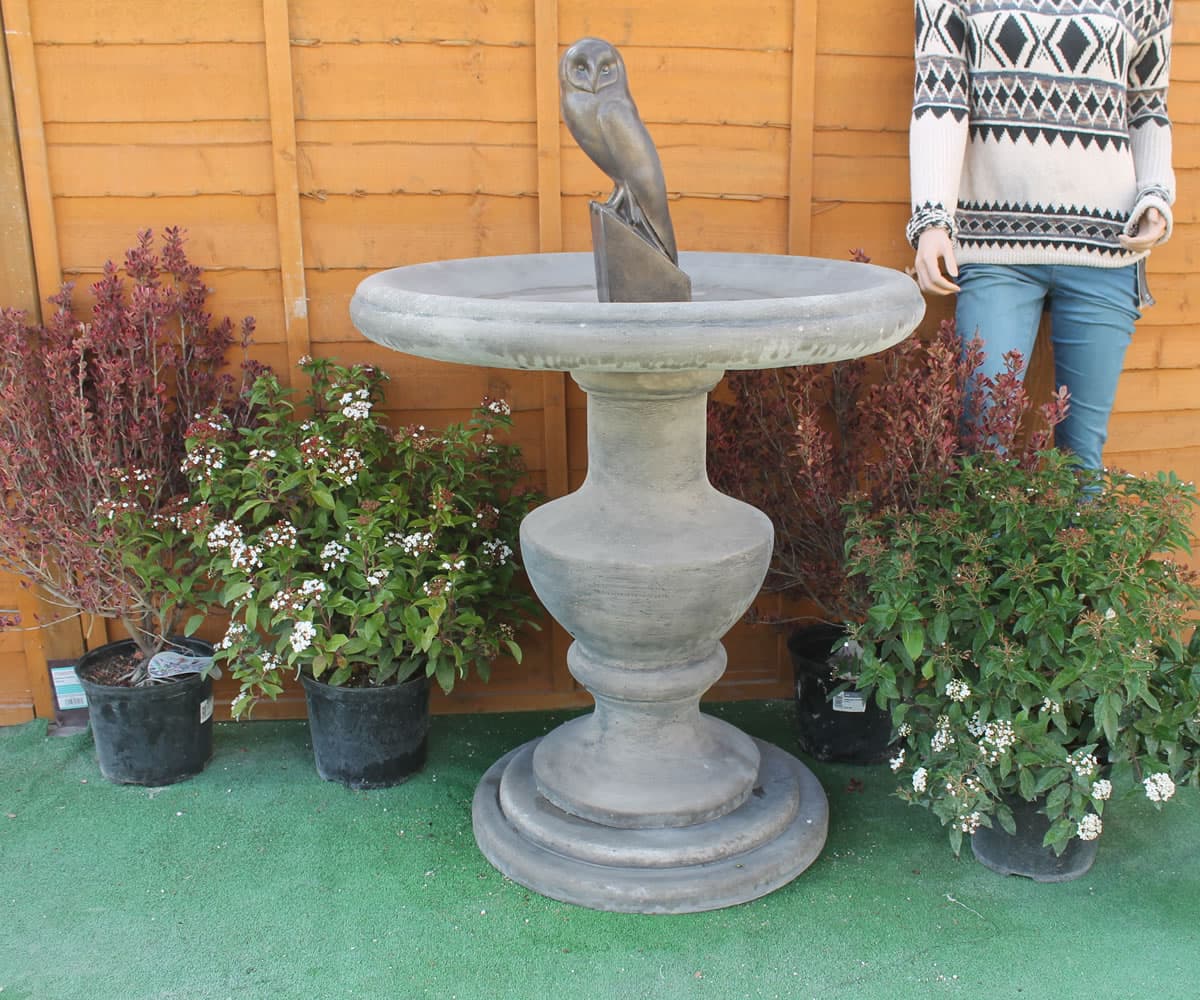
A bench looks best with something to look at and something beside it. A bird bath in view, a pair of urns on plinths either side, or a Buddha in a quiet corner turns a seat into a place.
Benches arrive on a pallet, and it's down to you to move yours into position, so have a helper ready. Prices include delivery to most mainland UK postcodes; the delivery page explains how it works. Browse all our garden ornaments.
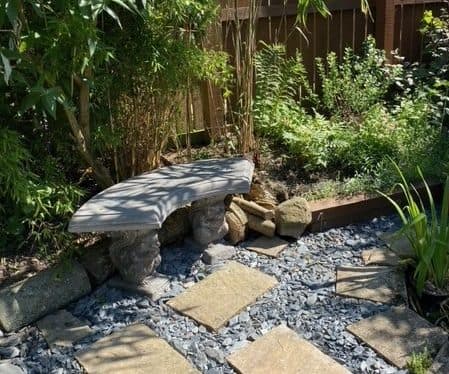
The product in this post
Related posts
14 September 2026
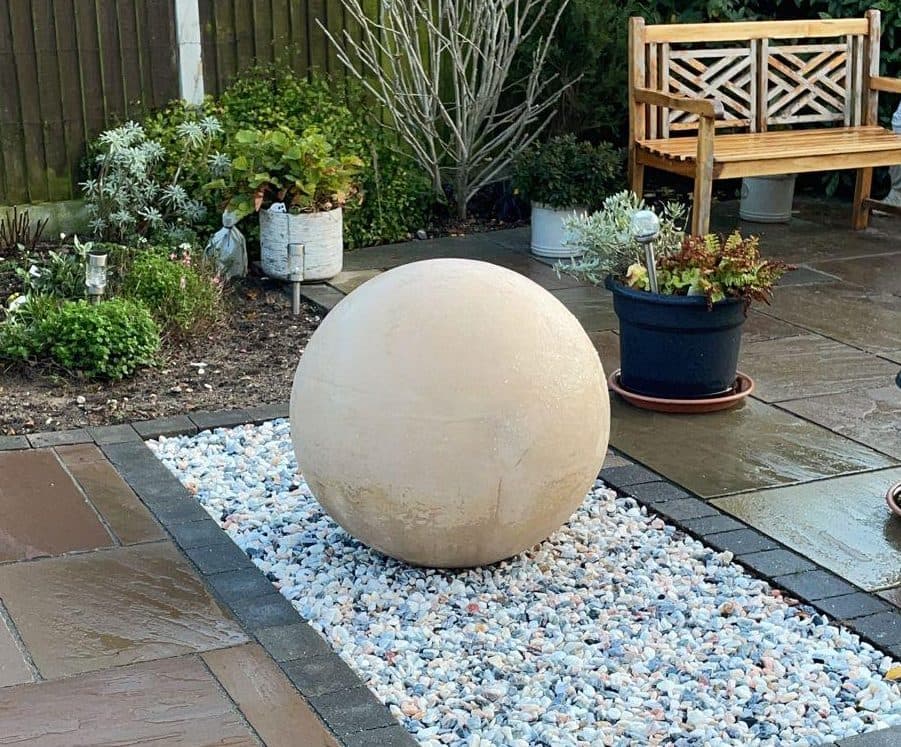
Large Garden Ornaments: How to Choose the Right Size, Spot and Base
Most garden ornaments are bought too small. How to judge scale from where you sit, where a large piece earns its place, what it needs underneath, and how a heavy stone ornament is delivered.
14 September 2026
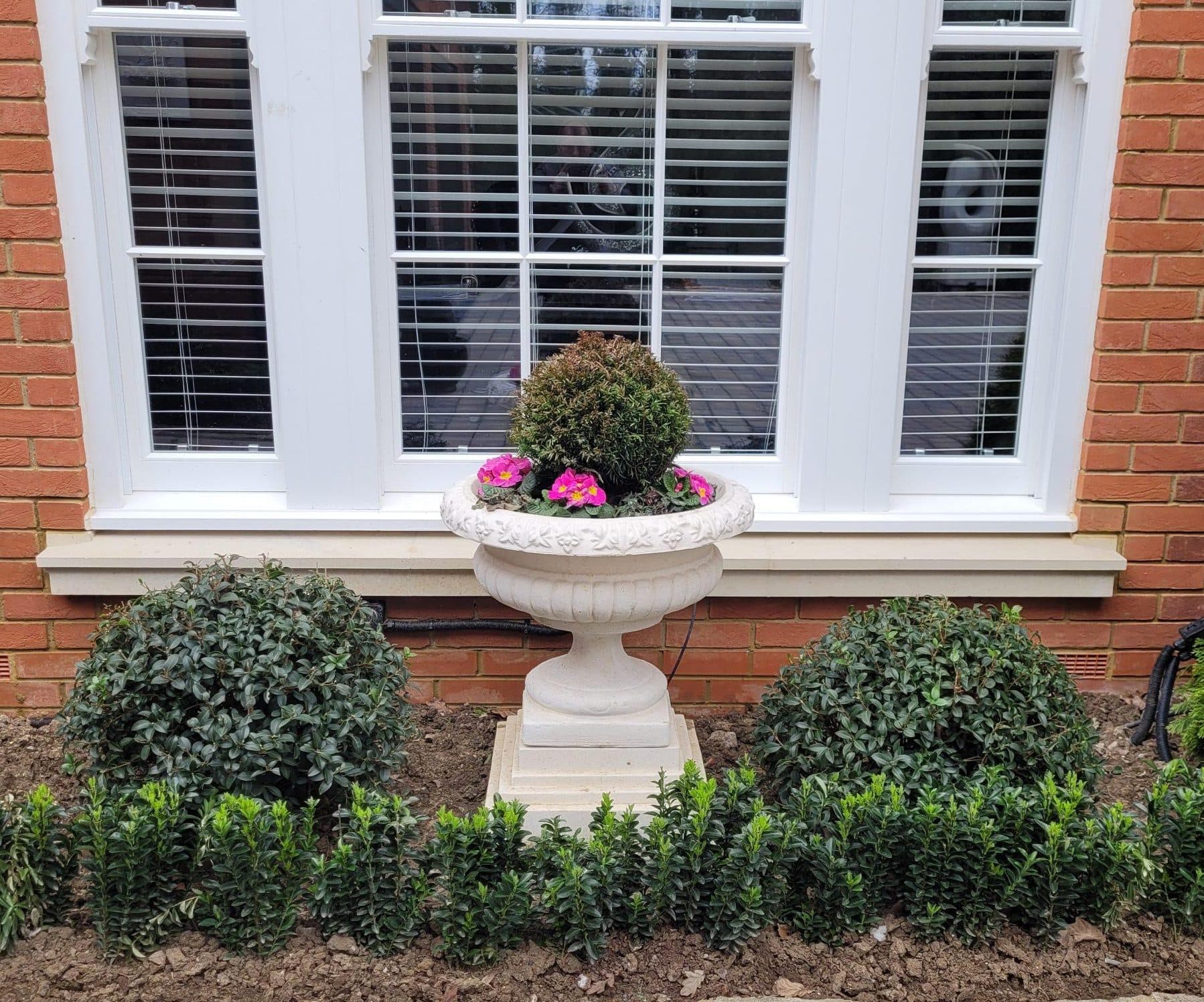
Garden Urns on Plinths: Pairs, Proportions and Planting
Stone urns are one of the oldest devices in garden design. When to choose a pair or a single urn, how to match an urn to a plinth, where they look best, and what to plant in them through the year.
14 September 2026
Stone Bird Baths: Where to Put One and How to Look After It
Birds need clean water all year, and a stone bird bath gives them somewhere safe to drink and bathe. The best position, how deep the water should be, how to keep it clean, and what to do when it freezes.